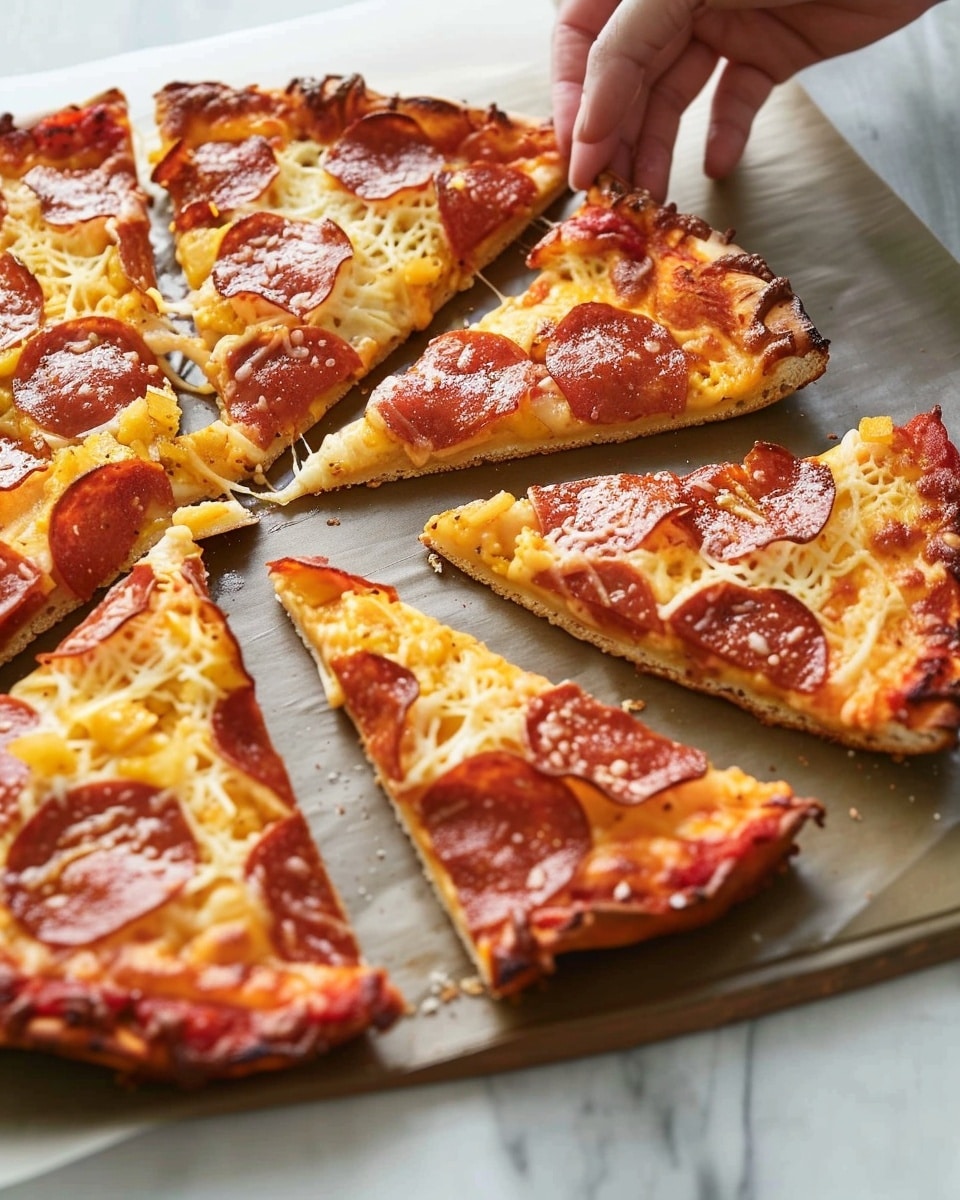
This thin-crust gluten-free pizza dough bakes up chewy and flexible, with just a little crispness on the bottom and around the edges—so you can fold a slice the way New York-style pizza is meant to be eaten. It’s simple, fast to mix, and can be made ahead and kept in the fridge for quick pizza nights.
Why You’ll Love This Recipe
It bends and folds without cracking, even though it’s gluten free.
Thin and chewy, not crunchy like a cracker-style crust.
Uses a short ingredient list and no complicated steps.
Dough can be made ahead and stored in the refrigerator for up to 3 days.
Bakes quickly in a very hot oven, so dinner happens fast.
Ingredients
(Tip: You’ll find the full list of ingredients and measurements in the recipe card below.)
280 g all-purpose gluten-free flour blend (2 cups; a sturdy blend works best)
1 teaspoon xanthan gum (omit if your flour blend already contains it)
36 g tapioca starch/flour (¼ cup)
6 g instant yeast (2 teaspoons)
6 g granulated sugar (1 ½ teaspoons)
1 teaspoon kosher salt
270 g warm water (9.5 oz; about 35°C/95°F)
2 tablespoons extra virgin olive oil
Cooking oil spray (for hands and dough)
Pizza sauce, cheese, and your preferred toppings (as desired)
Directions
In the bowl of a stand mixer fitted with the paddle (or a food processor with the metal blade), add the gluten-free flour blend, xanthan gum, tapioca starch, instant yeast, and sugar. Whisk to combine.
Add the salt and whisk again until evenly mixed.
Pour in the warm water and olive oil. Mix on medium speed (or pulse) until the dough starts to come together.
Increase to high speed (or run the processor) and mix for about 2 minutes. The dough will be very soft and sticky.
Transfer the dough to a lightly oiled container with a tight-fitting lid (or a greased bowl). Cover tightly.
Refrigerate the dough for at least 1 hour and up to 3 days for better flavor and easier handling.
To bake the pizza:
Place a pizza stone or an overturned rimmed baking sheet in the oven. Preheat to 232°C/450°F.
Divide the dough into 2 equal portions. Return one portion to the covered container and keep it refrigerated.
Lightly oil your hands (or spray them) before touching the dough. Place one portion on a sheet of parchment paper.
Press the dough from the center outward into a 30 cm/12-inch round. Re-oil your hands as needed to prevent sticking. If helpful, lightly oil a rolling pin and gently roll to even the thickness.
Shape a slightly raised edge by pressing around the perimeter.
Spray the shaped dough lightly with cooking oil spray, focusing on the edges.
Add sauce, cheese, and toppings.
Slide the parchment with the topped pizza onto the hot stone or hot baking sheet.
Bake for 8 to 10 minutes, until the bottom is crisped, the edges are lightly browned, and the cheese is bubbling. Avoid overbaking so the crust stays foldable.
Let the pizza sit for a couple minutes, then slice and serve.
Servings and timing
Yield: 2 pizzas (30 cm/12-inch each)
Servings: about 4 servings total (2 servings per pizza, depending on appetite)
Prep time: 15 minutes
Chill/rest time: 1 hour minimum (best flavor if chilled longer, up to overnight)
Bake time: 8 to 10 minutes per pizza
Total time (minimum): about 1 hour 25 minutes
Variations
Crispier bottom: Bake 1–2 minutes longer, but watch closely so it stays bendable. You can also finish with a short broil just to brown toppings.
Herb crust: Mix 1 tablespoon Italian seasoning into the dry ingredients for a more aromatic dough.
Garlic-oil finish: Brush the baked edges with olive oil mixed with garlic powder and dried herbs right after baking.
Dairy-free topping: Use a dairy-free cheese alternative and your favorite dairy-free toppings.
Single pizza: Halve all ingredients to make one 30 cm/12-inch pizza.
Storage/Reheating
Dough (unbaked): Keep tightly covered in the refrigerator for up to 3 days. Re-oil hands when handling since the dough remains sticky.
Baked pizza (refrigerator): Cool, wrap or store airtight, and refrigerate up to 3 days.
Reheating slices: Warm in a 150–175°C (300–350°F) oven for 8–12 minutes, or until the crust softens and the top is hot. A hot skillet over medium heat also works for re-crisping the bottom.
Freezing baked pizza: Cool completely, wrap tightly, and freeze up to 2 months. Reheat from frozen in a 150°C/300°F oven for about 10–15 minutes, or until hot throughout.
FAQs
What makes this crust “New York-style”?
It’s thin, chewy, and flexible with light crisping in spots—meant to fold without cracking.
Why is the dough so wet and sticky?
A high-hydration dough helps create that stretchy, foldable texture. Oil or wet hands instead of adding extra flour.
Can I use active dry yeast instead of instant yeast?
Yes. Use 25% more by weight and dissolve it first in some of the warm water before mixing into the dough.
Do I really need tapioca starch?
It’s important for chew and stretch in gluten-free dough. It helps create the classic bend-and-fold texture.
Why chill the dough in the refrigerator?
Chilling improves flavor and makes the dough easier to handle as the flour absorbs more moisture.
Can I bake this directly on the oven rack?
No. This is raw dough and needs parchment on a stone or baking sheet so it doesn’t sag through the rack.
Should I parbake the crust first?
For the best foldable texture, bake it with toppings right away. Parbaking can make it less bendy.
How do I get the bottom to brown better?
Use a fully preheated pizza stone or an overturned baking sheet. The hotter the surface, the better the underside browns.
Can I make this crust thicker?
You can press it slightly thicker, but it will be less like classic NY-style and may not fold as easily.
What toppings work best for this crust?
Lighter toppings bake most evenly in the short baking time. If using lots of vegetables, pre-cook or pat them dry to avoid extra moisture.
Conclusion
This NY-style gluten-free pizza crust is thin, chewy, and genuinely foldable, with a quick bake that still delivers that classic slice-shop feel. Make the dough ahead, keep it chilled, and you can have fresh homemade pizza on the table fast whenever the craving hits.
This NY-style gluten-free pizza crust is thin, chewy, and foldable, with just a little crispness on the bottom and edges. It’s designed to mimic classic New York-style pizza, letting you fold slices without cracking, while remaining entirely gluten-free. The dough is easy to mix, can be made ahead, and bakes quickly for a fast pizza night.
Total Time:about 1 hour 25 minutes
Yield:2 pizzas (30 cm/12-inch each)
Ingredients
For the Dough:
280 g all-purpose gluten-free flour blend (2 cups; a sturdy blend works best)
1 teaspoon xanthan gum (omit if your flour blend already contains it)
36 g tapioca starch/flour (¼ cup)
6 g instant yeast (2 teaspoons)
6 g granulated sugar (1 ½ teaspoons)
1 teaspoon kosher salt
270 g warm water (9.5 oz; about 35°C/95°F)
2 tablespoons extra virgin olive oil
Cooking oil spray (for hands and dough)
Pizza sauce, cheese, and toppings as desired
Instructions
In a mixing bowl or food processor, combine gluten-free flour blend, xanthan gum, tapioca starch, instant yeast, and sugar. Whisk to combine.
Add salt and whisk again until mixed.
Pour in warm water and olive oil. Mix on medium speed until dough starts coming together.
Increase speed to high and mix for about 2 minutes until dough is soft and sticky.
Transfer dough to lightly oiled container with lid and refrigerate 1–3 hours for easier handling.
Preheat oven to 232°C/450°F with a pizza stone or overturned baking sheet inside.
Divide dough into 2 portions. Lightly oil hands, place dough on parchment, and press into a 12-inch (30 cm) round. Re-oil hands as needed.
Create slightly raised edges. Spray lightly with oil.
Add sauce, cheese, and toppings.
Slide pizza (on parchment) onto hot stone or sheet. Bake 8–10 minutes until bottom is crisp, edges lightly browned, and cheese bubbles.
Let pizza rest a couple minutes before slicing and serving.
Notes
Crispier bottom: Bake 1–2 minutes longer or briefly broil.
Herb crust: Add 1 tablespoon Italian seasoning to dry ingredients.
Garlic-oil finish: Brush edges with olive oil mixed with garlic powder and dried herbs after baking.
Dairy-free topping: Use dairy-free cheese and toppings.
Single pizza: Halve all ingredients to make one 12-inch pizza.