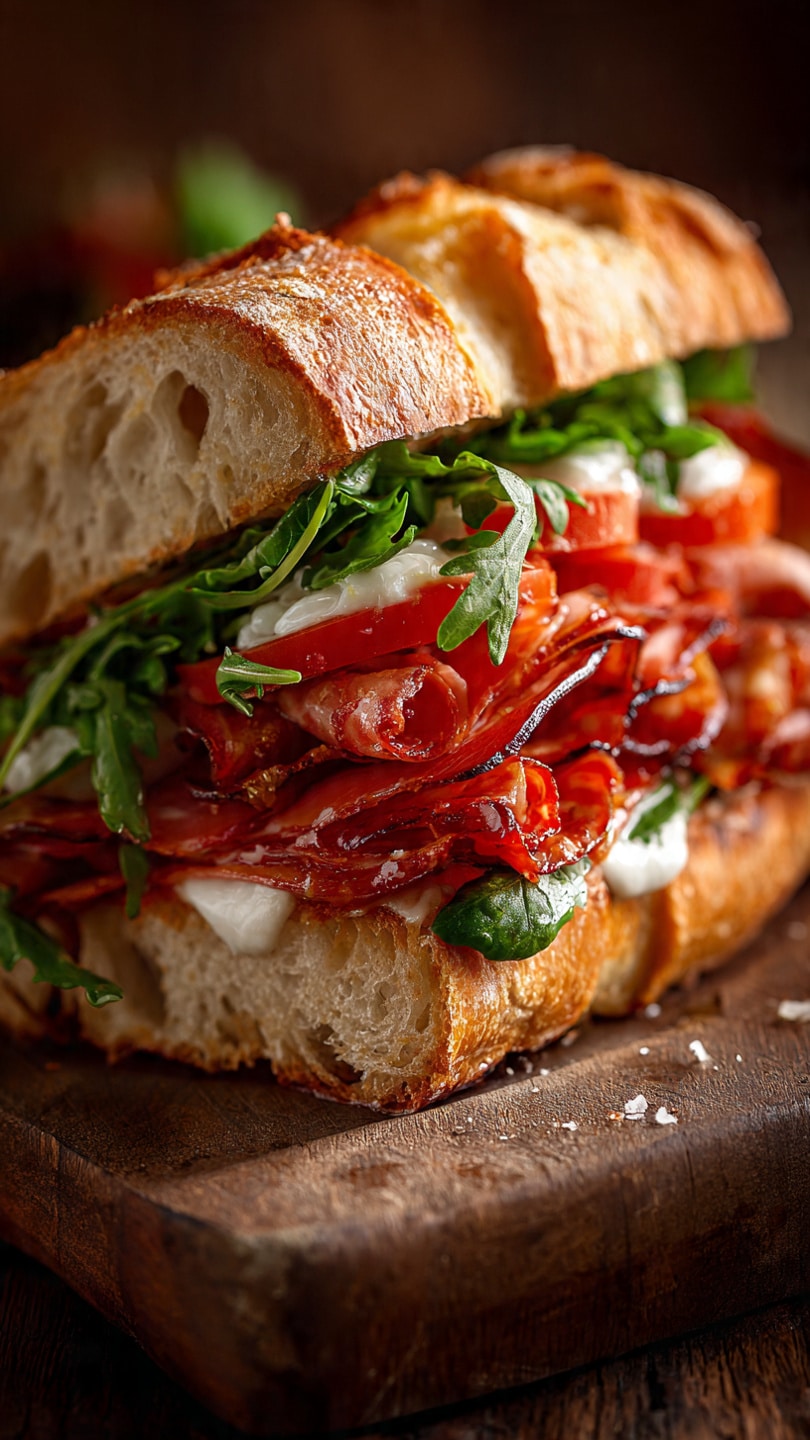
I’ve always enjoyed learning how everyday foods carry history, and this famous Italian sandwich is one of those dishes that tells a rich story through simple ingredients. When I think about it, I don’t just see a sandwich—I see tradition, migration, and regional pride layered together in a single bite. Its popularity has lasted for generations, and I find that deeply meaningful.
Introduction
When I explore Italian-American cuisine, this sandwich consistently stands out to me. It’s filling, bold, and rooted in working-class culture. Over time, it has taken on different names and small regional changes, but its identity remains unmistakable. Understanding where it comes from helps me appreciate why it’s still so loved today.
The Origins Of The Term “Grinder”
I’ve learned that the term “grinder” became popular in New England during the early 20th century. One explanation I find convincing is that the name refers to the effort needed to chew the thick, crusty bread traditionally used for this sandwich. It’s hearty and requires some serious chewing.
Another explanation I often come across links the name to industrial and shipyard workers, sometimes referred to as grinders, who relied on these substantial sandwiches to fuel long workdays. To me, both ideas connect the sandwich to hard work and nourishment.
Regional Variations In Naming
One thing I love about this sandwich is how its name changes depending on location. In many areas, it’s called a sub, short for submarine sandwich, inspired by its long shape.
In Philadelphia, I hear it called a hoagie, a name tied to early shipyard workers. In New York City, it’s known as a hero, reflecting its generous size. Even with different names, I always recognize the same familiar structure and flavors.
Ingredients Of A Traditional Italian Sandwich
When I prepare or order a classic version, I expect specific ingredients that balance richness, freshness, and texture. For one large sandwich, I typically use:
1 large Italian roll or sub roll (about 10–12 inches)
3 slices salami
3 slices capicola
3 slices mortadella
2 slices provolone cheese
1/2 cup shredded lettuce
1 medium tomato, thinly sliced
1/4 small onion, thinly sliced
2 tablespoons sliced banana peppers or mild peppers
1 tablespoon olive oil
1 teaspoon red wine vinegar
1/4 teaspoon dried oregano
Salt and black pepper to taste
These quantities create a well-balanced sandwich that feels hearty without being overwhelming.
Preparation Methods
I usually start by slicing the roll lengthwise, making sure not to cut all the way through. I layer the meats evenly, followed by the cheese, then add the vegetables on top. I finish with olive oil, vinegar, oregano, salt, and pepper.
Sometimes I enjoy this sandwich cold, where each ingredient keeps its distinct texture. Other times, I lightly toast it so the bread crisps and the cheese softens. Both methods feel authentic to me, depending on my mood.
Cultural Significance Of The Grinder
To me, this sandwich represents the Italian-American experience. Immigrants adapted familiar flavors using local ingredients, creating something both comforting and practical. Family-owned delis became community gathering places, and this sandwich often played a central role in everyday meals.
I especially associate it with New England, where the name “grinder” is still widely used and fiercely defended. Regional pride around this sandwich is something I find charming and deeply rooted.
Modern Interpretations And Variations
I enjoy seeing how this sandwich continues to evolve. Some modern versions add roasted vegetables, specialty cheeses, or lighter dressings. Others adapt it for vegetarian or plant-based diets while keeping the same structure.
Even with these changes, I feel the heart of the sandwich remains the same—bold flavors, sturdy bread, and satisfying layers.
FAQs
Why Is It Called A Grinder?
I understand the name comes either from the effort needed to chew the crusty bread or from the hardworking laborers who relied on this sandwich for energy.
Is This Sandwich Served Hot Or Cold?
From my experience, it can be enjoyed both ways. Cold versions feel fresh and crisp, while hot versions feel comforting and rich.
Is A Grinder Different From A Sub?
To me, the difference is mostly regional. The ingredients are often similar, but the name grinder is closely tied to New England.
What Bread Works Best?
I always prefer sturdy Italian bread because it holds the fillings well without becoming soggy.
Is It Still Popular Today?
Absolutely. I see it constantly reimagined while still honoring its traditional roots.
Conclusion
When I reflect on this famous Italian sandwich, I see more than a meal. I see history, community, and adaptability all coming together. No matter what name it goes by, it remains a timeless example of how food can tell a story while still being deeply satisfying to eat.
A classic Italian-American sandwich with layers of cured meats, provolone cheese, fresh vegetables, and a tangy dressing, known as a grinder, sub, hoagie, or hero depending on the region.
Total Time:10–15 minutes
Yield:1 sandwich
Ingredients
1 large Italian roll or sub roll (10–12 inches)
3 slices salami
3 slices capicola
3 slices mortadella
2 slices provolone cheese
1/2 cup shredded lettuce
1 medium tomato, thinly sliced
1/4 small onion, thinly sliced
2 tablespoons sliced banana peppers or mild peppers
1 tablespoon olive oil
1 teaspoon red wine vinegar
1/4 teaspoon dried oregano
Salt and black pepper, to taste
Instructions
Slice the Italian roll lengthwise, keeping the bottom intact.
Layer the salami, capicola, and mortadella evenly on the bottom half of the roll.
Add the provolone cheese on top of the meats.
Layer the shredded lettuce, tomato slices, onion slices, and banana peppers evenly over the cheese.
Drizzle olive oil and red wine vinegar over the sandwich.
Sprinkle with dried oregano, salt, and black pepper to taste.
Serve cold, or lightly toast the sandwich to crisp the bread and soften the cheese, if desired.
Notes
The sandwich can be customized with roasted vegetables, specialty cheeses, or vegetarian/plant-based alternatives.
Sturdy Italian bread works best to prevent sogginess.
The order of layering can be adjusted based on preference for flavor balance and texture.