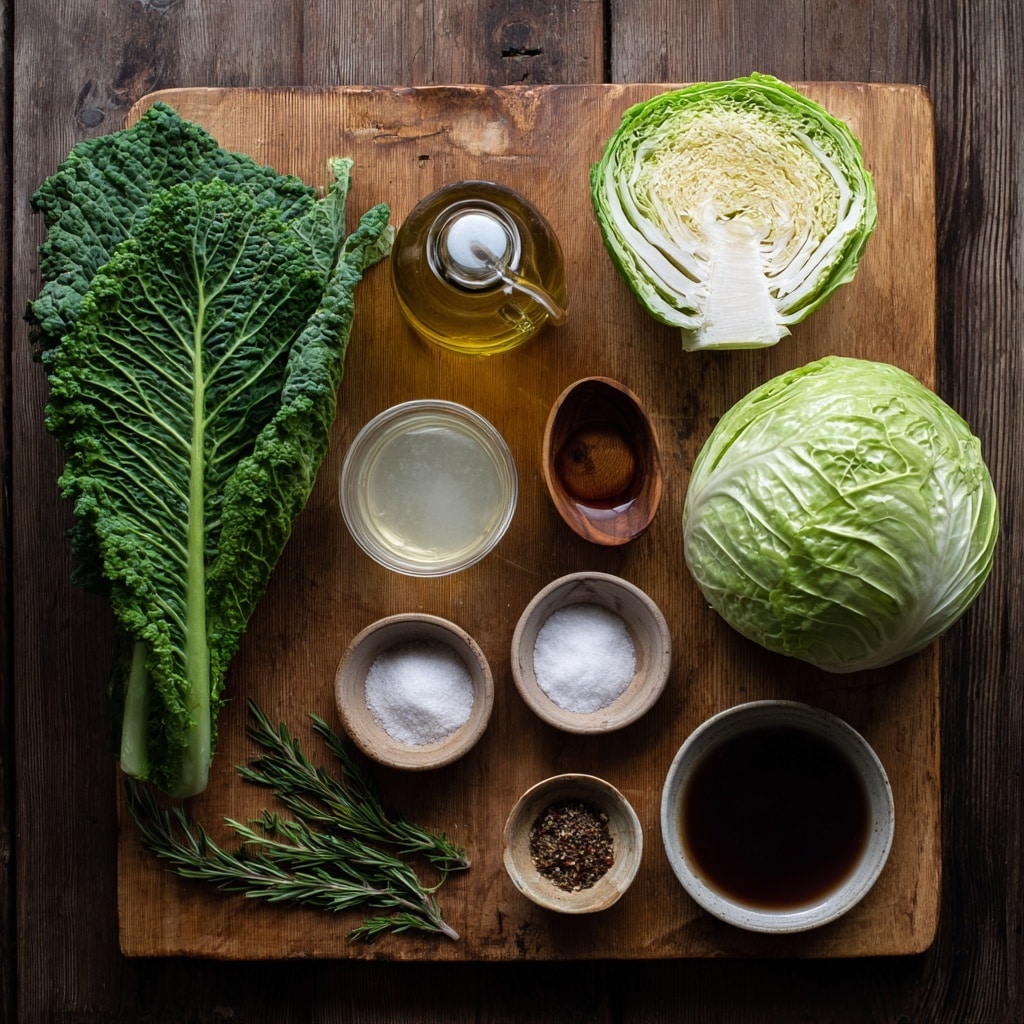
Making homemade sauerkraut is one of my favorite simple kitchen traditions. I love how a humble head of cabbage and a bit of salt slowly turn into something tangy, crunchy, and full of character. This recipe always reminds me that good food does not need to be complicated, just a little time and care.
Why You’ll Love This Recipe
I love this recipe because it uses only a few basic ingredients and almost no special equipment. I enjoy how hands-on the process is, from slicing the cabbage to massaging it until the juices release. I also like that I can control the flavor by deciding how long to ferment it. Every batch feels rewarding, especially knowing I made it completely from scratch.
Ingredients
(Tip: You’ll find the full list of Ingredients and measurements in the recipe card below.)
3 pounds green cabbage
1 tablespoon sea salt
for brine if needed:
1 additional tablespoon sea salt
4 cups water
Directions
I begin by rinsing the cabbage and removing any damaged outer leaves. I cut the cabbage into quarters, remove the core, and slice it into thin strips, about a quarter inch wide. I place all the sliced cabbage into a large bowl and sprinkle the salt evenly over it.
Using clean hands, I massage the cabbage thoroughly. I squeeze, knead, and press it for about five to eight minutes until it becomes soft and releases plenty of liquid. By the end, there is a noticeable pool of salty juice at the bottom of the bowl.
Next, I pack the cabbage tightly into a clean glass jar, pressing it down firmly with a spoon to remove air pockets. I continue until the jar is nearly full, leaving about one to two inches of space at the top. The cabbage should be fully submerged in its own liquid.
If there is not enough liquid to cover the cabbage, I prepare a simple brine by dissolving one tablespoon of salt in four cups of water and adding just enough to cover the cabbage completely.
I cover the jar with a cloth or loose lid and place it in a dark, room-temperature spot. I check it daily to make sure the cabbage stays submerged. After about five to seven days, I taste it. Once it reaches the tanginess I like, I move it to the refrigerator.
Servings And Timing
This recipe makes about 18 servings.
Preparation time is approximately 20 minutes.
Fermentation time ranges from 5 to 7 days.
Total time is about 5 days and 20 minutes.
Variations
I often keep my sauerkraut plain, but sometimes I like to experiment. I add caraway seeds or celery seeds for a classic flavor. I also enjoy mixing in grated carrots, beets, or thinly sliced apples for a touch of sweetness. Ginger or turmeric adds a warm, earthy note when I want something different.
Storage/Reheating
I store my sauerkraut in the refrigerator once fermentation is complete. It keeps well for up to four months in a sealed jar or container. I usually eat it cold to enjoy its fresh, tangy crunch, but I sometimes warm it gently for cooked dishes, knowing the flavor will still be great.
FAQs
How Do I Know When Sauerkraut Is Ready?
I rely on taste. I start checking after five days and stop fermenting once it reaches the sourness I enjoy.
What If My Sauerkraut Looks Bubbly?
I consider bubbles normal. They are a natural sign that fermentation is active and healthy.
Can I Use Regular Table Salt?
I prefer sea salt because it does not contain additives, but I can use other pure salts as long as they are not iodized.
Why Must The Cabbage Stay Submerged?
I keep the cabbage under liquid to prevent spoilage and allow proper fermentation.
How Long Does Homemade Sauerkraut Last?
When stored in the refrigerator, my sauerkraut stays good for several months as long as it remains covered in liquid.
Conclusion
Homemade sauerkraut is one of those recipes that makes me appreciate traditional food methods. I love how simple the process is and how satisfying the results are every time. Once I started making it myself, it became a staple I always like to have ready in my fridge.
This easy homemade sauerkraut recipe transforms just cabbage and salt into a tangy, crunchy, probiotic-rich condiment. It’s simple to make, requires minimal equipment, and brings the satisfaction of traditional fermentation right into your kitchen.
Total Time:5 days 20 minutes
Yield:18 servings
Ingredients
3 pounds green cabbage
1 tablespoon sea salt
Optional brine: 1 tablespoon sea salt + 4 cups water
Instructions
Rinse the cabbage and remove any damaged outer leaves. Cut into quarters, remove the core, and slice into thin strips (about ¼ inch wide).
Place cabbage in a large bowl and sprinkle with salt. Massage thoroughly with clean hands for 5–8 minutes until it softens and releases liquid.
Pack the cabbage tightly into a clean glass jar, pressing down to eliminate air pockets. Leave 1–2 inches of space at the top.
Ensure the cabbage is submerged in its own liquid. If not, add brine (1 tablespoon salt dissolved in 4 cups water) until fully covered.
Cover the jar with a cloth or loose lid. Store in a dark, room-temperature area. Check daily to ensure the cabbage stays submerged.
After 5–7 days, taste the sauerkraut. Once it reaches your preferred tanginess, seal the jar and store it in the refrigerator.
Notes
Always keep cabbage submerged to prevent spoilage.
Bubbling during fermentation is normal and healthy.
Use non-iodized salt like sea salt or kosher salt for best results.