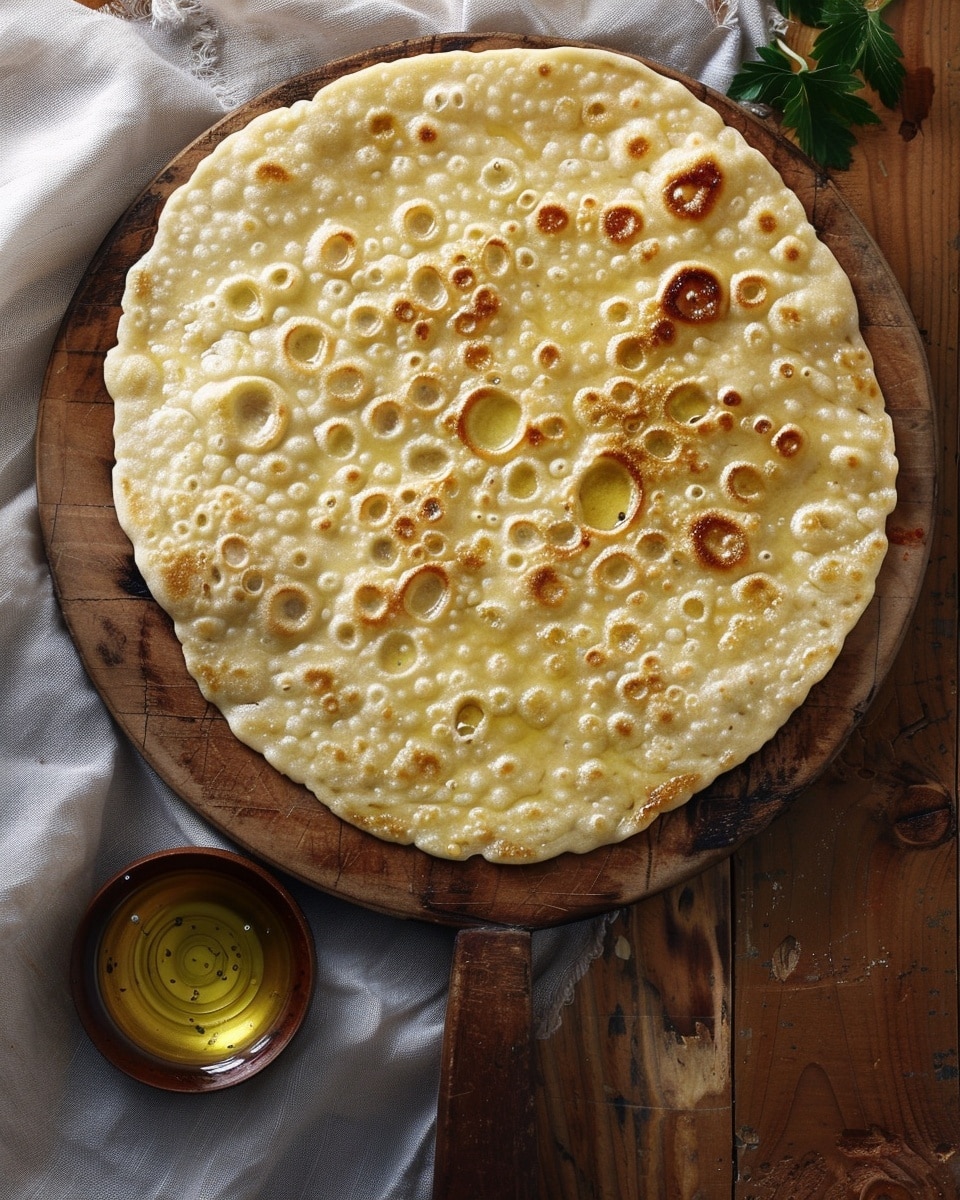
Soft, chewy, and perfectly blistered, this sourdough flatbread recipe is an easy homemade bread option that works beautifully as a side dish, wrap, or pizza base. Whether you use active sourdough starter for a long ferment or sourdough discard for a quick version, the result is flavorful flatbread with a delicious texture that pairs with almost any meal.
Why You’ll Love This Recipe
This sourdough flatbread recipe is incredibly versatile and beginner-friendly. The dough comes together with pantry staples and can be cooked in a skillet in just minutes. The long-fermented option gives the flatbread a deeper flavor and makes it easier to digest, while the discard version is perfect for busy days when you want fresh bread quickly.
Another reason to love this recipe is how customizable it is. You can enjoy the flatbread plain, brush it with garlic butter, sprinkle it with herbs, or use it for wraps and homemade pizzas. The texture is soft and chewy with lightly crisped edges and golden brown bubbles that make every bite irresistible.
Ingredients
(Tip: You’ll find the full list of ingredients and measurements in the recipe card below.)
2 cups all-purpose flour (280 grams)
1 cup active sourdough starter or sourdough discard (240 grams)
1/2 cup milk (120 grams)
1 teaspoon baking powder
1 teaspoon salt
1 tablespoon olive oil
Extra olive oil for frying
Directions
In a large mixing bowl, combine the all-purpose flour, sourdough starter or discard, milk, baking powder, salt, and olive oil. Stir the ingredients together using a dough whisk, wooden spoon, or your hands until a shaggy dough forms.
Transfer the dough onto a lightly floured surface. Knead for about 2 to 3 minutes by folding the dough inward and pressing with the heel of your hand. Rotate the dough as you knead until it becomes smoother. If the dough feels sticky, dust it with a little flour. If it feels dry, add a small splash of water.
If using active sourdough starter, place the dough into a lightly greased bowl, cover it, and let it ferment in a warm place for 18 to 24 hours until doubled in size.
If using sourdough discard, simply cover the dough with a towel and let it rest for at least 30 minutes or up to 4 hours.
After resting, divide the dough into 8 equal portions. Roll each piece into a thin round about 1/8 inch thick on a floured surface.
Heat a cast-iron skillet or non-stick pan over medium heat and lightly grease it with olive oil. Cook one flatbread at a time for about 2 minutes until bubbles begin to form. Drizzle a little olive oil over the top, flip, and cook for another 1 to 2 minutes until golden and blistered.
Repeat with the remaining dough pieces and serve warm.
Servings and timing
Servings: 8 flatbreads
Prep Time: 10 minutes
Cook Time: 4 minutes per batch
Resting Time:
Active starter version: 18–24 hours
Discard version: 30 minutes to 4 hours
Total Time:
Active starter version: about 1 day
Discard version: about 45 minutes
Variations
For a garlic herb version, mix minced garlic and dried parsley into the dough before kneading. You can also add shredded cheese, chopped onions, or everything bagel seasoning for extra flavor.
To make a sweeter flatbread, sprinkle the cooked bread with cinnamon and sugar while still warm. This version tastes wonderful with tea or coffee.
Whole wheat flour can replace part of the all-purpose flour for a nuttier flavor. If using whole wheat flour, add a little more liquid because it absorbs more moisture.
You can also use these flatbreads as personal pizza crusts. Simply cook the flatbread in the skillet, add toppings, and broil in the oven until the cheese melts.
Storage/Reheating
Store sourdough flatbread in an airtight container or sealed bag at room temperature for up to 2 days. For longer storage, refrigerate for up to 5 days.
To reheat, place the flatbread in a dry skillet over low heat for about 1 minute per side until soft and warm. You can also warm them in the oven at 300°F for a few minutes.
These flatbreads freeze very well. Allow them to cool completely, stack with parchment paper between each piece, and freeze in a freezer-safe bag for up to 2 months.
FAQs
Can I use sourdough discard instead of active starter?
Yes, both active starter and sourdough discard work beautifully in this recipe.
Why does the dough need to rest?
Resting relaxes the gluten, making the dough easier to roll and improving the texture.
Can I make the dough ahead of time?
Yes, the dough can be refrigerated overnight after mixing.
What type of pan works best?
A cast-iron skillet gives the best blistered texture, but a regular frying pan also works well.
Can I bake the flatbread instead of frying it?
Yes, bake at 500°F for 3 to 4 minutes per side until puffed and golden.
Can I freeze sourdough flatbread?
Absolutely. Freeze cooked flatbreads for up to 2 months.
Why is my dough too sticky?
Sticky dough usually means it needs a little extra flour during kneading.
Can I use dairy-free milk?
Yes, dairy-free milk substitutes work very well in this recipe.
How thin should I roll the dough?
Roll each piece to about 1/8 inch thick for the best texture.
What can I serve with sourdough flatbread?
Serve it with hummus, grilled chicken, soups, salads, or use it as wraps and pizza crusts.
Conclusion
This sourdough flatbread recipe is simple, flavorful, and incredibly versatile. Whether you choose the long-fermented version with active starter or the quick discard method, you’ll end up with warm, chewy flatbread perfect for dipping, wrapping, or topping with your favorite ingredients. With basic pantry staples and minimal effort, this recipe is an easy way to enjoy homemade bread any day of the week.